Five wine regions to explore in Gran Canaria
Mar 31, 2026
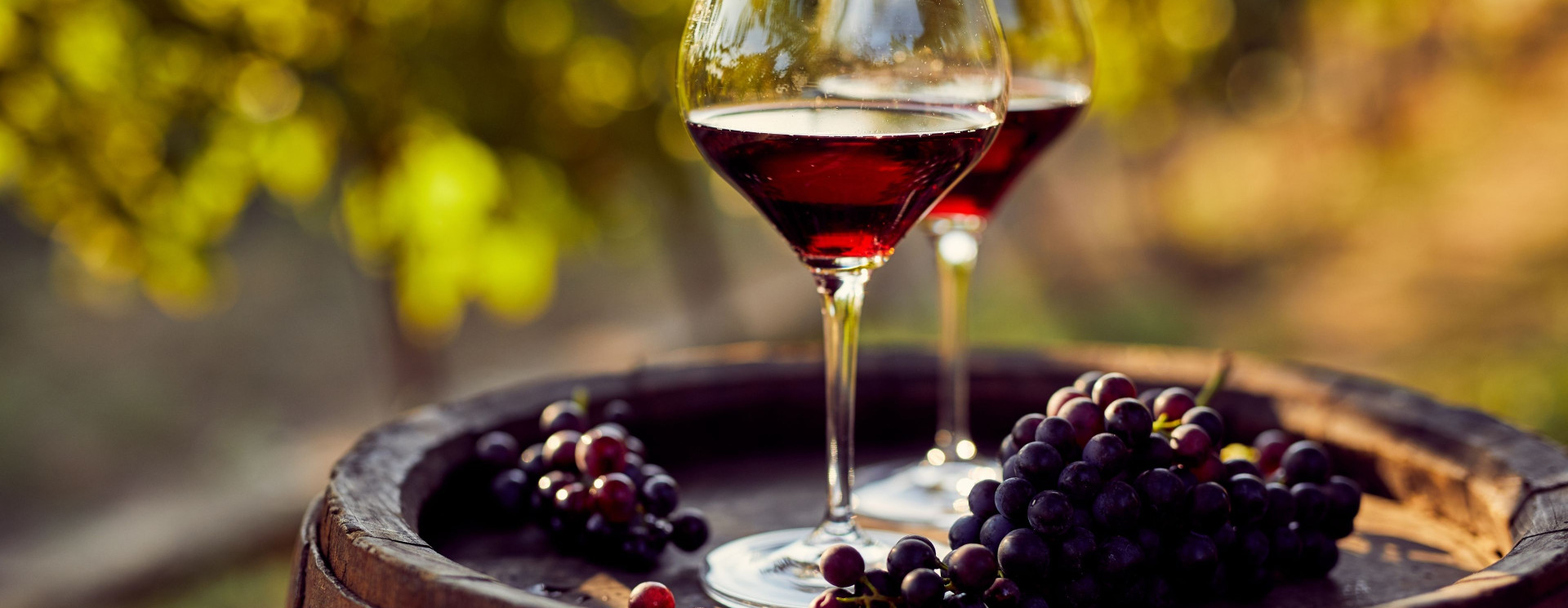
Introduced to Gran Canaria after the Spanish conquest in the late fifteenth century, Vitis Vinifera has since woven its slender tendrils into the island’s landscape and history. In the sixteenth century, Canarian wine — especially the famed Malvasía variety — achieved international acclaim, savoured by European royalty and lauded by William Shakespeare. Although the production dwindled in the centuries that followed, local winemaking is now experiencing a renaissance, making wine tasting in Gran Canaria an unmissable experience.
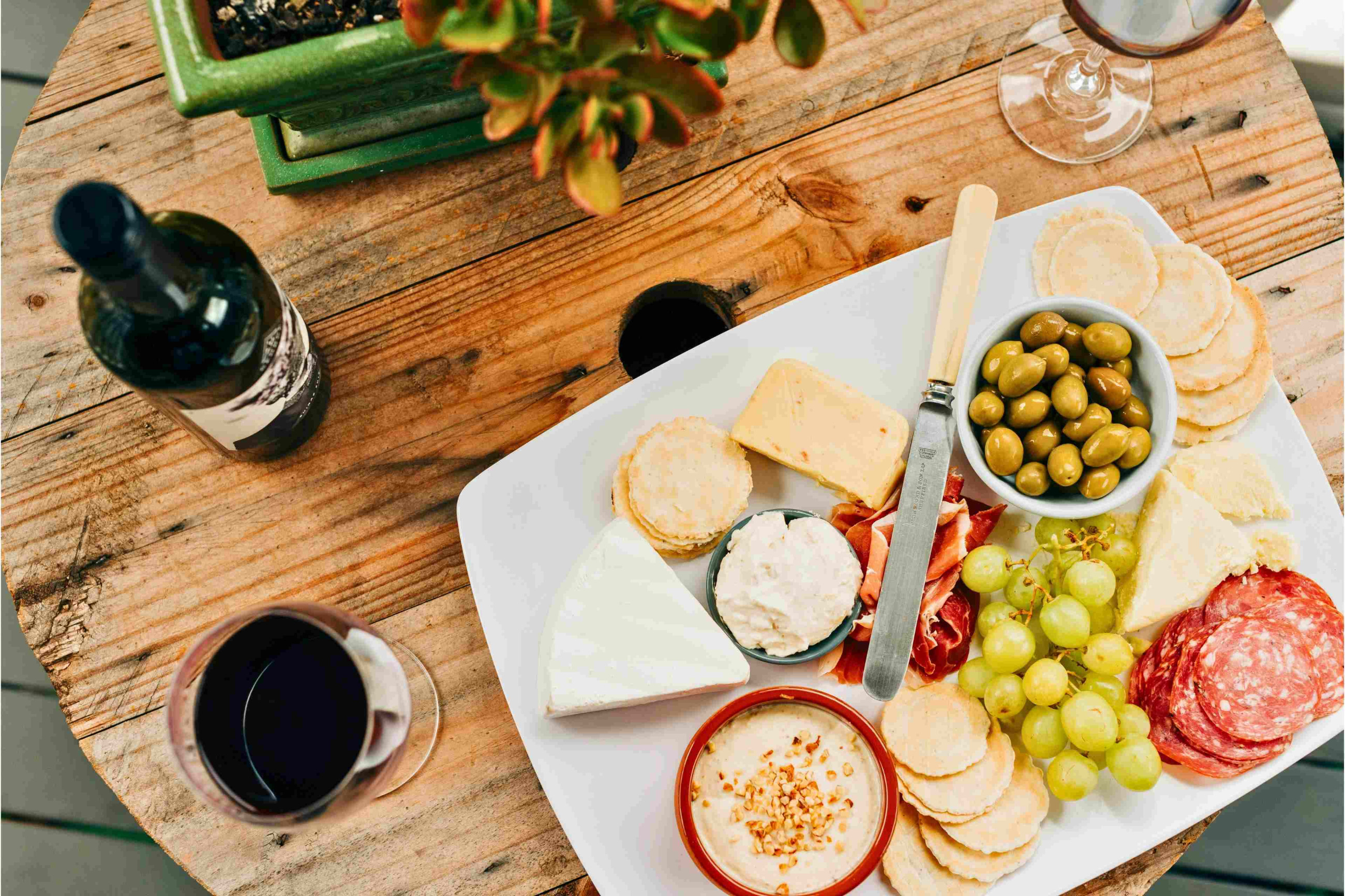
The island’s year-round mild temperatures, abundant sunshine and fertile soils create ideal conditions for the Gran Canarian vineyards, home to centuries-old grape varieties that vanished from European soil after the phylloxera outbreak. Native grapevines that form the Gran Canaria apellation — including Listán Negro and Blanco, Negramoll, Malvasía and Moscatel de Alejandría — have adapted to the island’s rugged terrain and thrive in its subtropical climate. Established in 2021, Gran Canaria Wine Route (Ruta del Vino de Gran Canaria) — the first and, to date, the only Spanish wine route outside the Iberian Peninsula — winds through the island’s diverse landscapes, from the the lush, dramatic north coast and the pine-covered mountain slopes of the interior to the olive groves and deep ravines of the south.
Across Gran Canaria’s shores, hills and valleys, a mosaic of microclimates finds vivid expression in local wines. Shaped by salt-laden trade winds and mineral-rich volcanic soils, Gran Canarian wines express distinctive personalities, each capturing the unique character of the island’s five wine-producing regions. Exploring the lesser-known wine towns on a Gran Canarian wine tour offers a captivating blend of scenic beauty and cultural richness, along with the chance to support artisanal local producers.
Santa Brígida
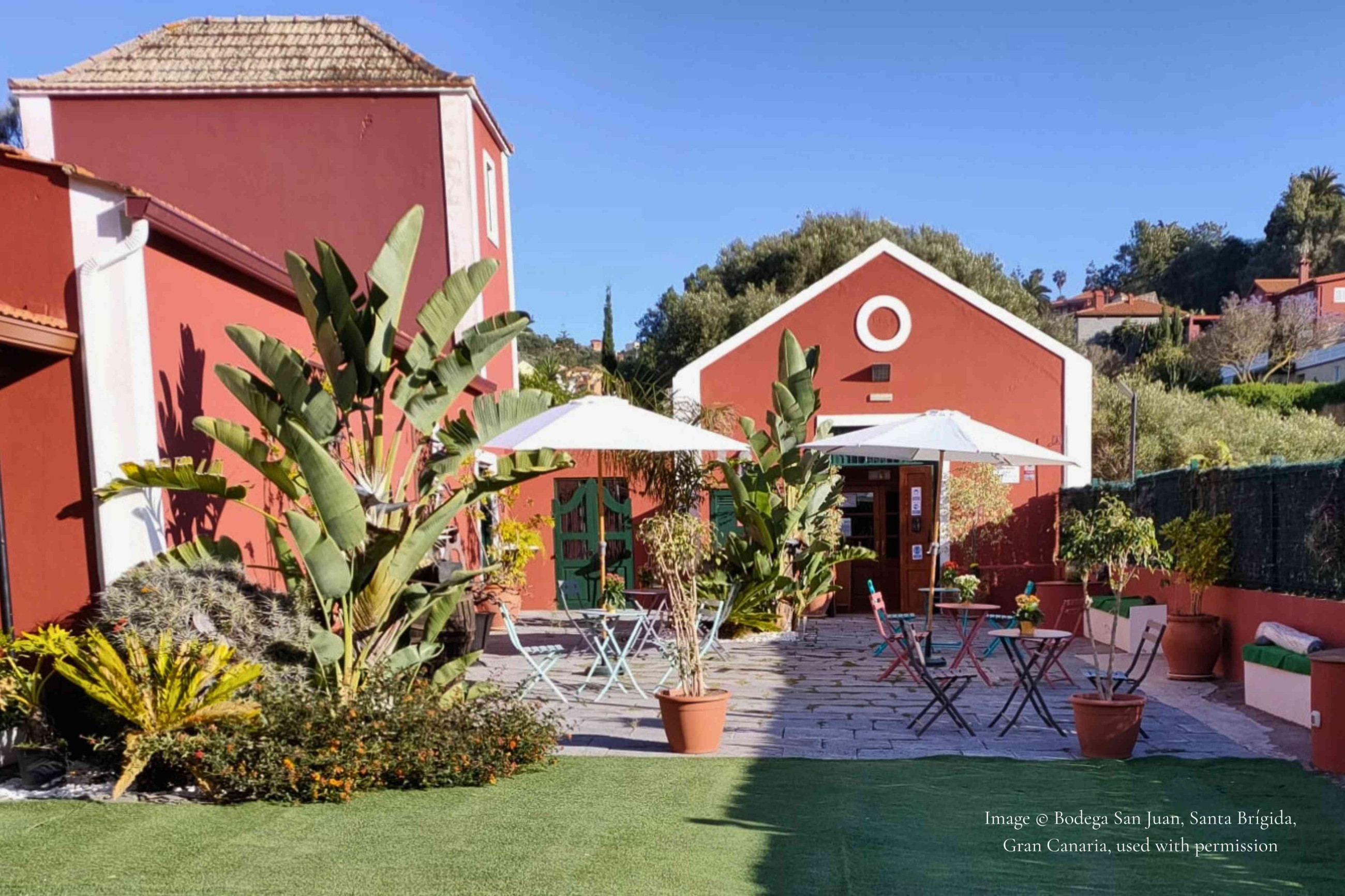
A vineyard tour of Gran Canaria begins in Santa Brígida, on the volcanic slopes of Monte Lentiscal near the famous Caldera de Bandama crater. The family-run Bodega San Juan, founded in 1912 by Don Juan Rodriguez Quegles, is one of the island’s oldest wineries. Visitors can enjoy scenic walks among orderly rows of Listán Negro — the island’s most widespread indigenous grape — at the altitude of 520 metres above sea level.
Vega de San Mateo
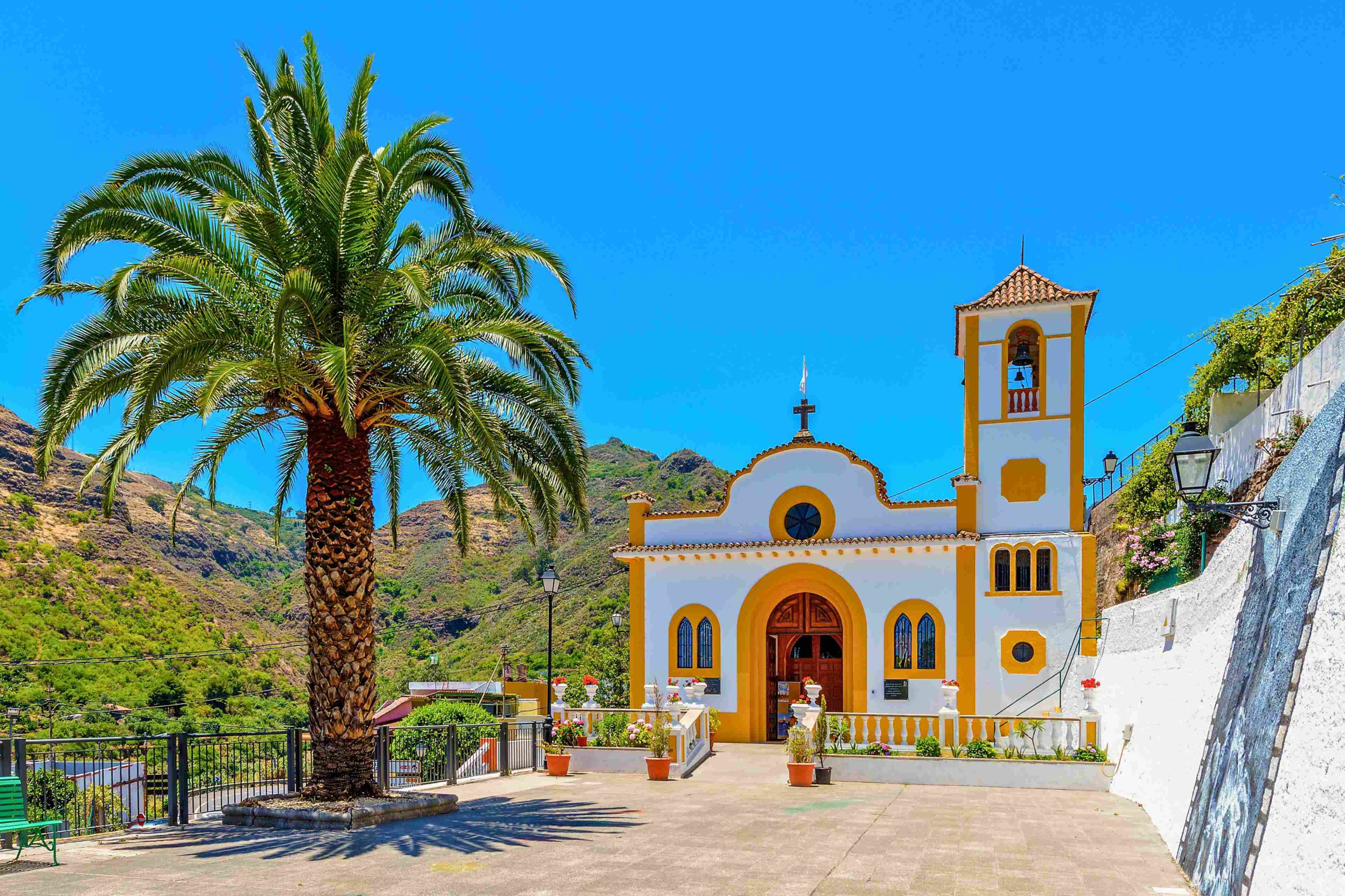
From there, the Gran Canaria wine tour continues to the historic town of Vega de San Mateo, renowned for its long-standing agricultural market and traditional rural charm. The market bursts with bright colours and rich aromas, the air sweet with papayas, passion fruits and prickly pears. With its fertile soils and plentiful water, San Mateo basks in a humid climate that has earned it a reputation as one of Gran Canaria’s most celebrated wine-producing regions. Local vineyards welcome visitors with guided tours and Gran Canarian wine tastings, providing an authentic glimpse into the region’s rich winemaking heritage.
Tejeda
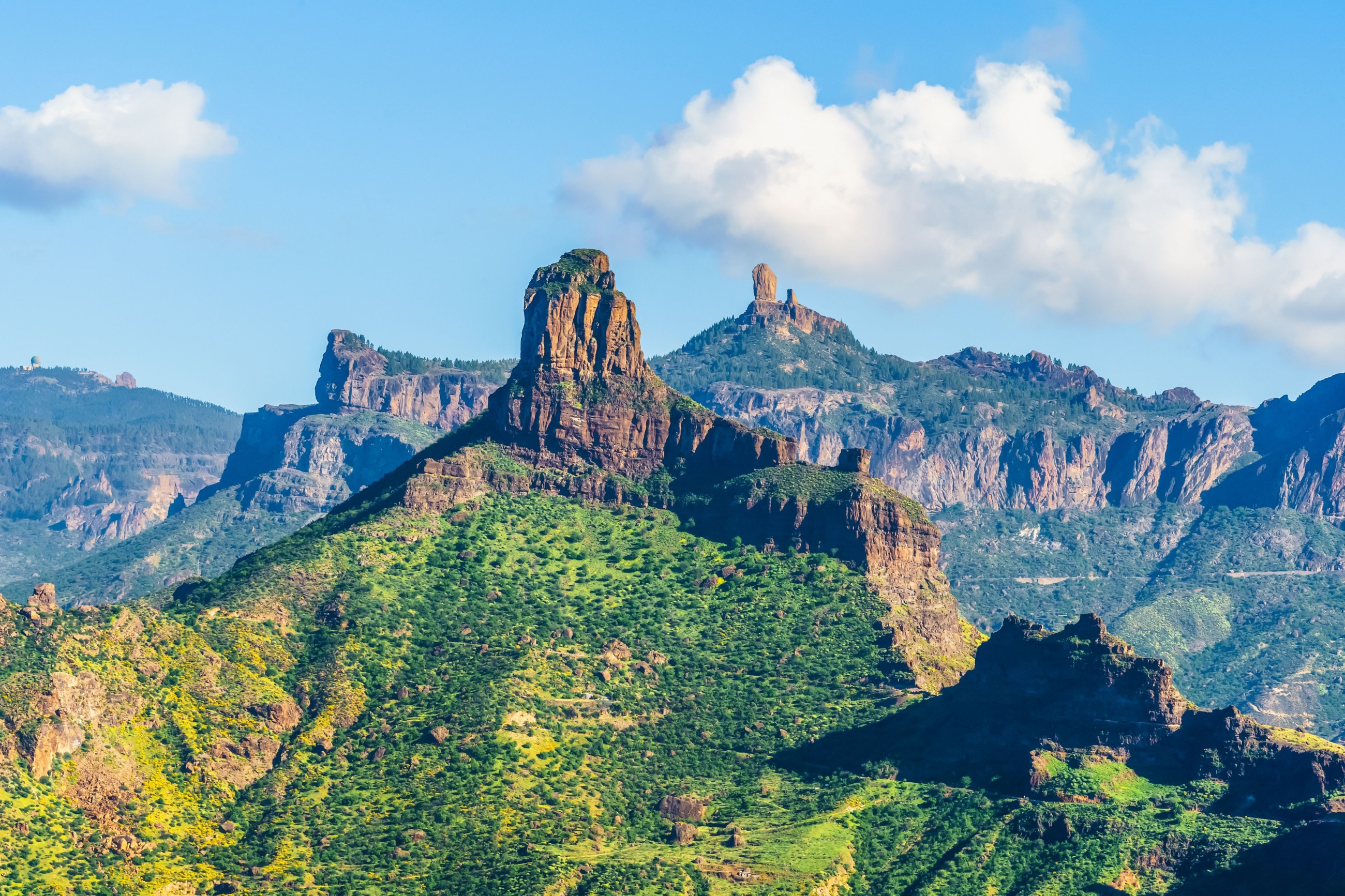
Nearby in Tejeda, Bodegas Bentayga’s eleven hectares of vineyards lie within the Parque Rural del Nublo biosphere reserve, at elevations between 1100 and 1300 metres above sea level. The bodega’s panoramic setting is breathtaking, with sweeping views of the sacred Roque Bentayga. Bodegas Bentayga’s sun-drenched slopes yield aromatic wines that pair perfectly with local almond treats, crafted from fragrant almonds grown on the hills around Tejeda.
Agaete
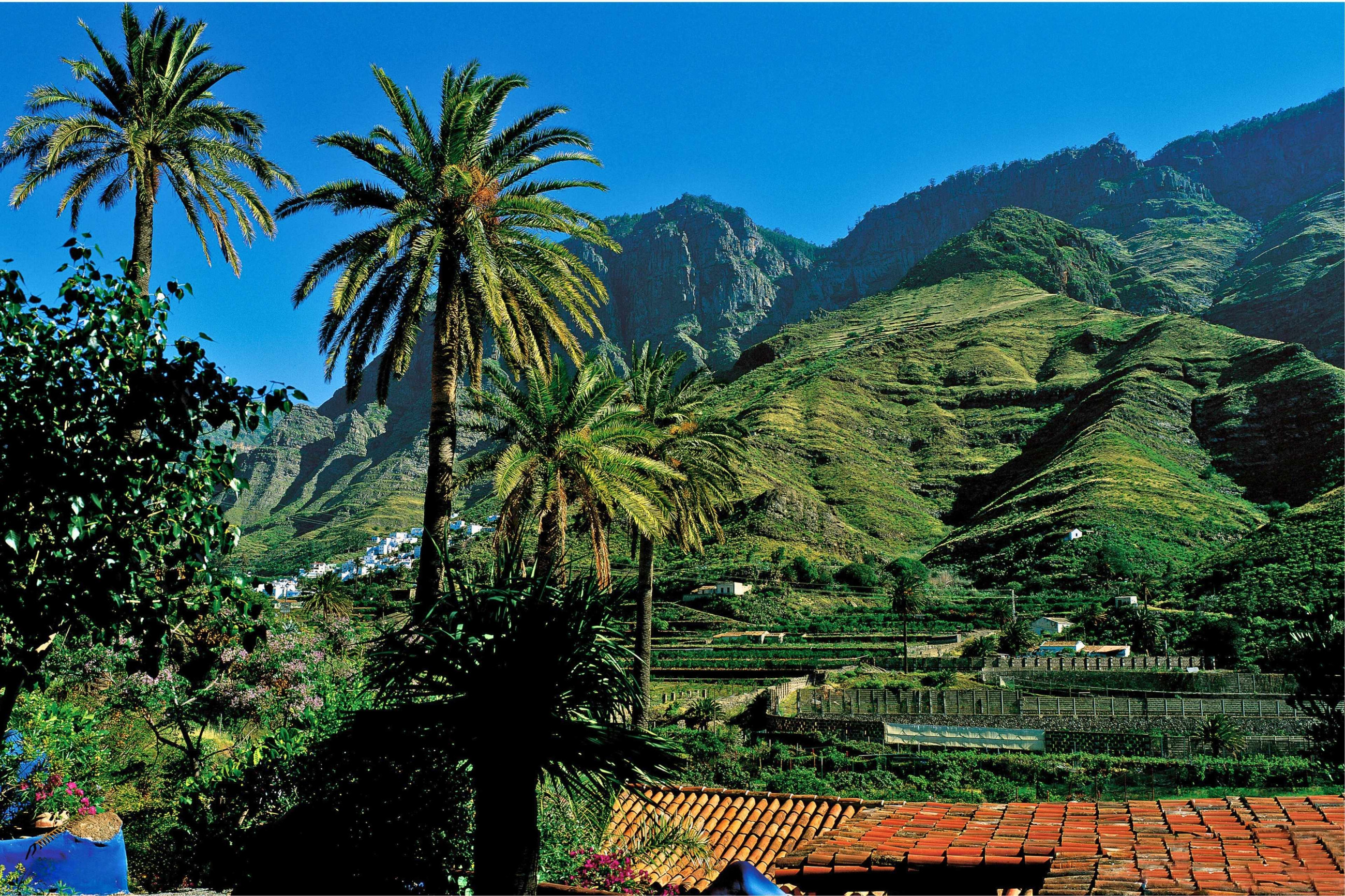
In Gran Canaria’s northwest, the lush valley of Agaete is dotted with shady orange groves, leafy coffee plantations and vineyards producing wines rich in floral and tropical scents. Nestled against the rugged cliffs and ancient pine forests of the Tambada National Park, Bodega Los Berrazales offers Gran Canarian guided tours and wine tastings. The estate, over 200 years old, is planted with grapes and coffee, as well as fragrant avocados, guavas and mangoes, creating a verdant oasis in the heart of the valley.
San Bartolomé de Tirajana
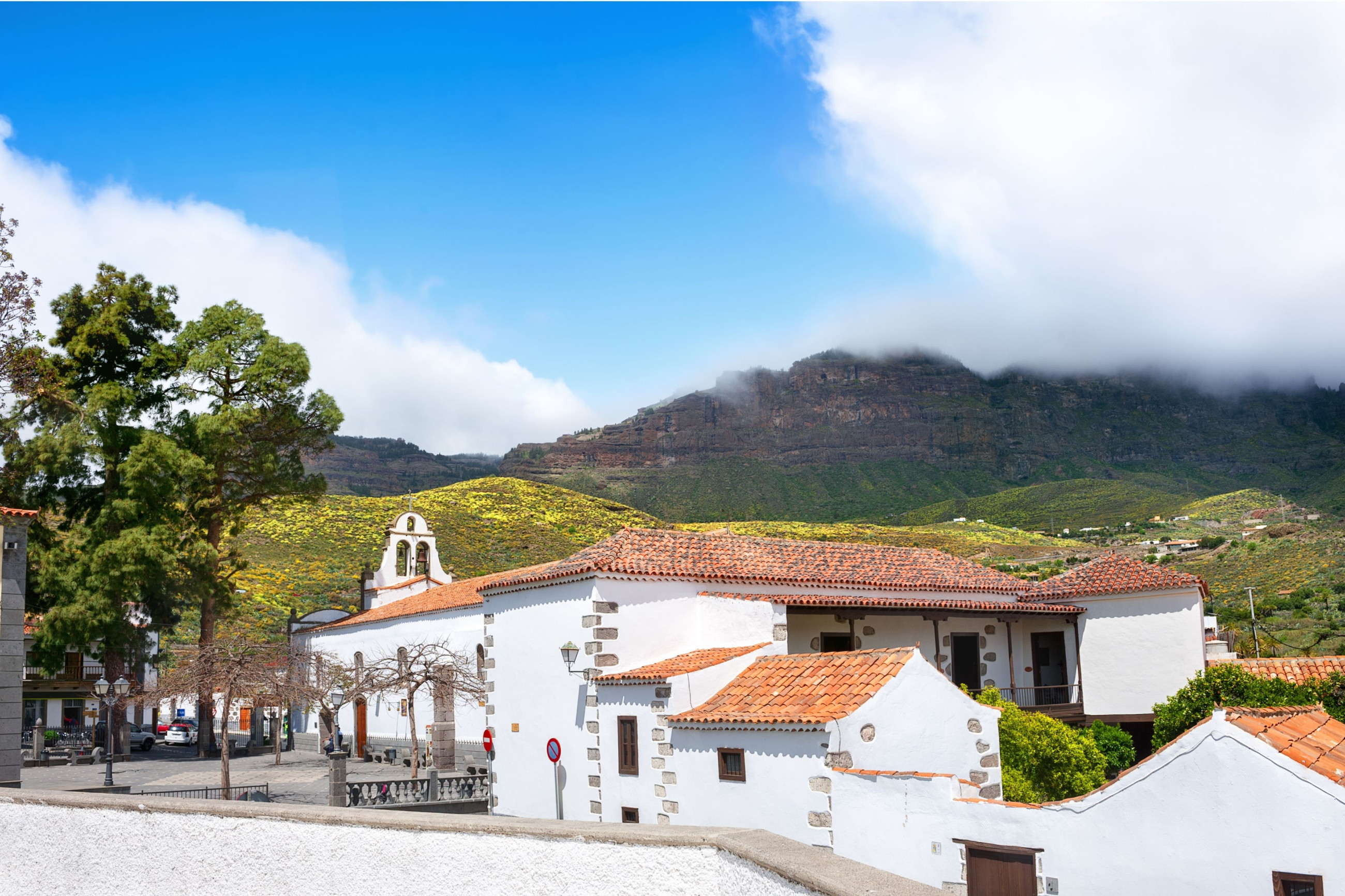
Gran Canaria’s largest vineyard, Bodega Las Tirajanas, operates as a cooperative, drawing grapes from 17 family-owned vineyards. Located in San Bartolomé de Tirajana in the island’s southwest, it is surrounded by palm groves and olive trees. Strong winds and hard, basaltic soils produce complex, full-bodied wines with bright acidity and strong citrus notes.
Eco-tourism and wine routes
Eco-tourism in Gran Canaria’s off-the-beaten-track wine regions is perfect for those eager to discover the island beyond its well-known beaches. Gran Canaria wine tours and tastings are easily accessible from Maspalomas.
Private, tailor-made trips for wine lovers can be booked directly at Grand Hotel Residencia’s reception — these are led by Marc Llorens, an experienced travel guide and an official partner of the Gran Canaria Wine Route. From intimate, home-cooked winery lunches to Gran Canarian wine tastings led by passionate local winegrowers, Marc offers his guests an exclusive introduction to the island’s rich winegrowing landscape.
Guests at Grand Hotel Residencia can also enjoy an extensive selection of local wines at the hotel’s restaurant, featuring bottles from various regions of Gran Canaria, other Canary Islands, and beyond. When tasting wine, slow down and engage all your senses: observe the colour, then swirl and smell to explore the aromas. As you sip, pay attention to sweetness, acidity and tannins, and compare wines to better understand their distinct characteristics. Look for aromas of tropical fruit, citrus and herbs in white wines, and notes of red berries, ripe plums and spices in structured reds.
This experience is further enriched by two exclusive new cuvées available only at Grand Hotel Residencia.
In collaboration with renowned local winemaker Carmelo Peña and inspired by the culinary vision of Wolfgang Grobauer together with the careful wine selection of our Regional F&B Manager, Martin Lindner, two limited-edition cuvées have been created: Laderas de Fuego and Alma de Volcán.
Limited to just 333 bottles each, these exceptional wines capture the essence of Gran Canaria — from the mineral depth of its volcanic soils to the freshness of the Atlantic air and the warmth of its sun-drenched slopes. More than simply wines, they are a rare expression of the island’s history, character and authenticity, reserved for those who truly appreciate the extraordinary.


