The Fascinating Birds of Gran Canaria
May 28, 2025
Dubbed “a miniature continent”, Gran Canaria is dotted with microclimates, landscapes and habitats. From the golden dunes of Maspalomas in the south to the verdant, rugged north coast, the island is a collection of secluded coves and beaches, lush ravines, fascinating wetlands and pine-covered mountain slopes. Thanks to its unique geology and weather patterns, Gran Canaria boasts diverse environments, like Canarian pine forests, remnants of ancient laurel forests, as well as a coastal belt dominated by imposing cliffs, coated with distinctive types of vegetation adapted to growing near the sea.

Why Gran Canaria Is a Paradise for Bird Lovers
These habitats create homes for numerous endemic species of fauna and flora, often unique to the island. Gran Canaria is a paradise for nature lovers, especially those interested in birdwatching. There are over 70 breeding species of birds around the island, and Gran Canaria’s prominent position on the African-Eurasian flyway for migrating birds makes it a seasonal haven for over a hundred migratory species. Due to its natural significance, a substantial portion of the island has been designated a UNESCO Biosphere Reserve.
Our Feathered Hotel Guests
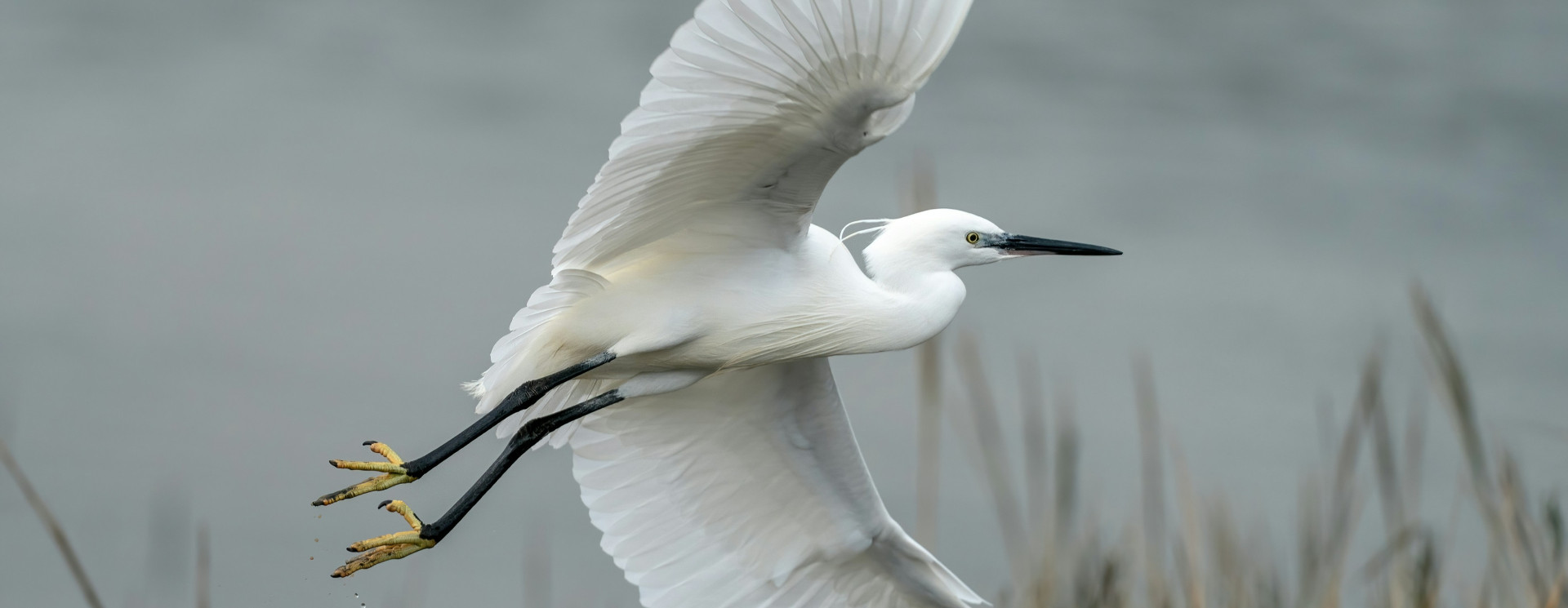
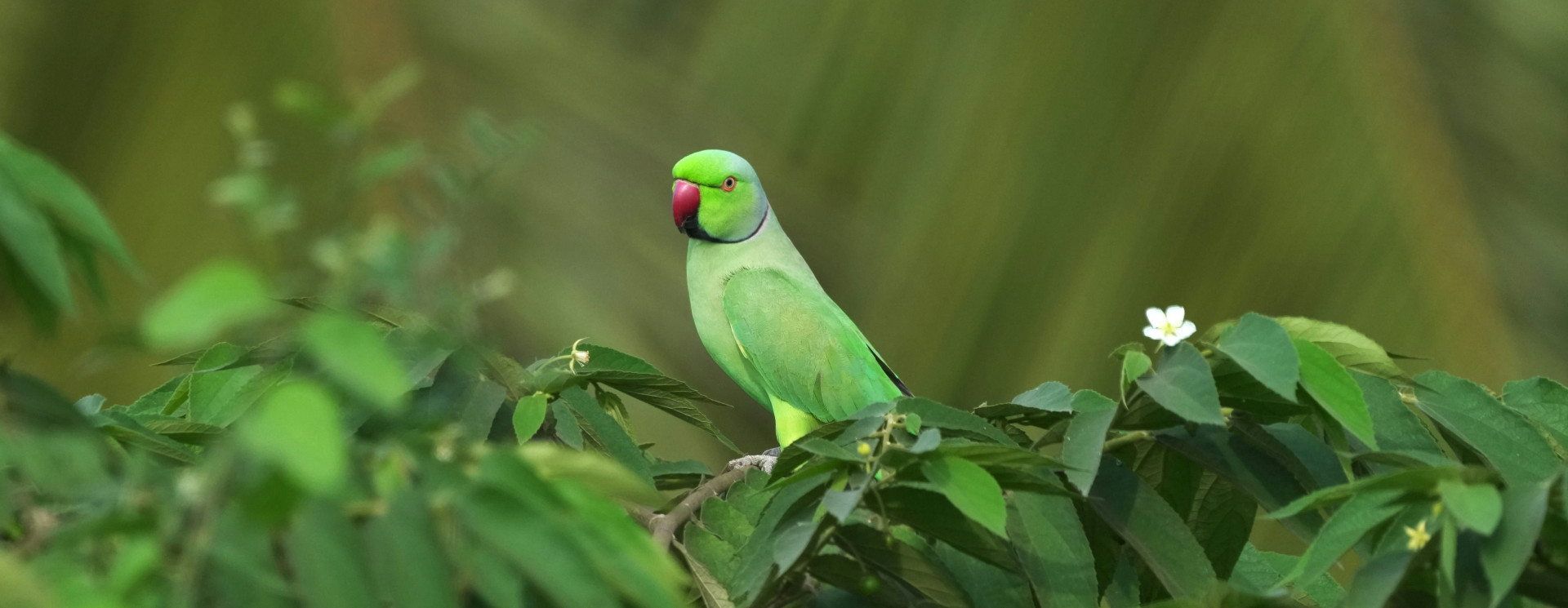
Grand Hotel Residencia is a perfect base for birdwatching enthusiasts. The hotel’s peaceful setting amid a verdant palm tree oasis means that many birds, like colourful Hoopoes with their distinctive feather crowns, or elegant Little egrets — small, white herons, can be seen near or around the hotel grounds. Bright green, long-tailed Rose-ringed parakeets can be seen as well as heard, with their characteristic, repetitive squawking call.
Grand Hotel Residencia’s bougainvillaea-adorned villas are just a short walk away from two of Gran Canaria’s prime birdwatching spots: La Charca de Maspalomas and Tony Gallardo Park, making it a perfect location for a relaxed, slow-paced discovery.
A Wetland Wonderland for Birdwatchers
La Charca de Maspalomas, a brackish lagoon flanked by tamarisks and reeds, is one of the most important places to see aquatic birds in the Canary Islands. Part of a protected natural reserve, the wetland attracts aquatic, sedentary and migratory waders, who come in search of a place for resting and nesting. The walkway next to the lagoon is a great spot for birdwatching. With a bit of luck, you can see as many as 24 different species of migratory and resident birds, including beautiful Grey herons, small, plump Sanderlings, and slender, graceful Barbary falcons.

Where Nature, Birds and Tranquility Meet
North of the Maspalomas Dunes, Tony Gallardo Park is a lush, well-maintained botanical garden, celebrated for its rich biodiversity. Its enviable location near La Charca de Maspalomas makes it a sanctuary for both migratory and resident bird species, attracted by numerous water features scattered around the park. Within its trails, visitors can walk amid tamarisks and native palms, spotting Glossy ibises, elegantly dark with iridescent green and reddish tones, or small, olive-coloured Canary Islands chiffchaffs, endemic to Gran Canaria, Lanzarote and Fuerteventura. Since its opening, the beautiful, calming space of Parque Tony Gallardo has become one of the most important sites for birdwatching and environmental education in southern Gran Canaria.
Conservation begins with knowledge. Without awareness, we cannot value what exists. And without that initial step, it's challenging to progress to the next: to love and protect.
This was the main message of one of the recent talks held at Tony Gallardo Park.

Iconic Birds of Gran Canaria You Can’t Miss
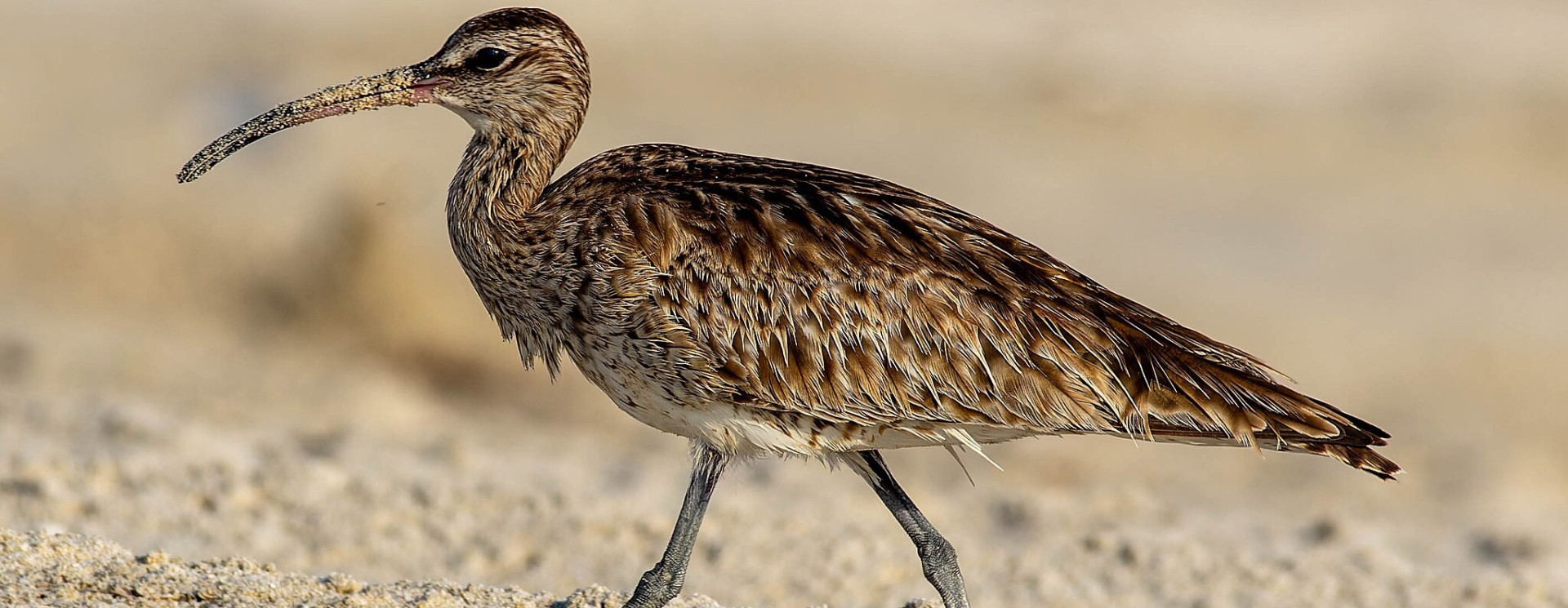
And Gran Canaria — home to numerous unique species of birds — has a lot to love and to protect. There’s Eurasian whimbrel, whose remarkable migration from the cold northern latitudes of Europe and Asia can occasionally be observed from the coast: flocks of as many as 70 individuals flying low over the Canary skies.
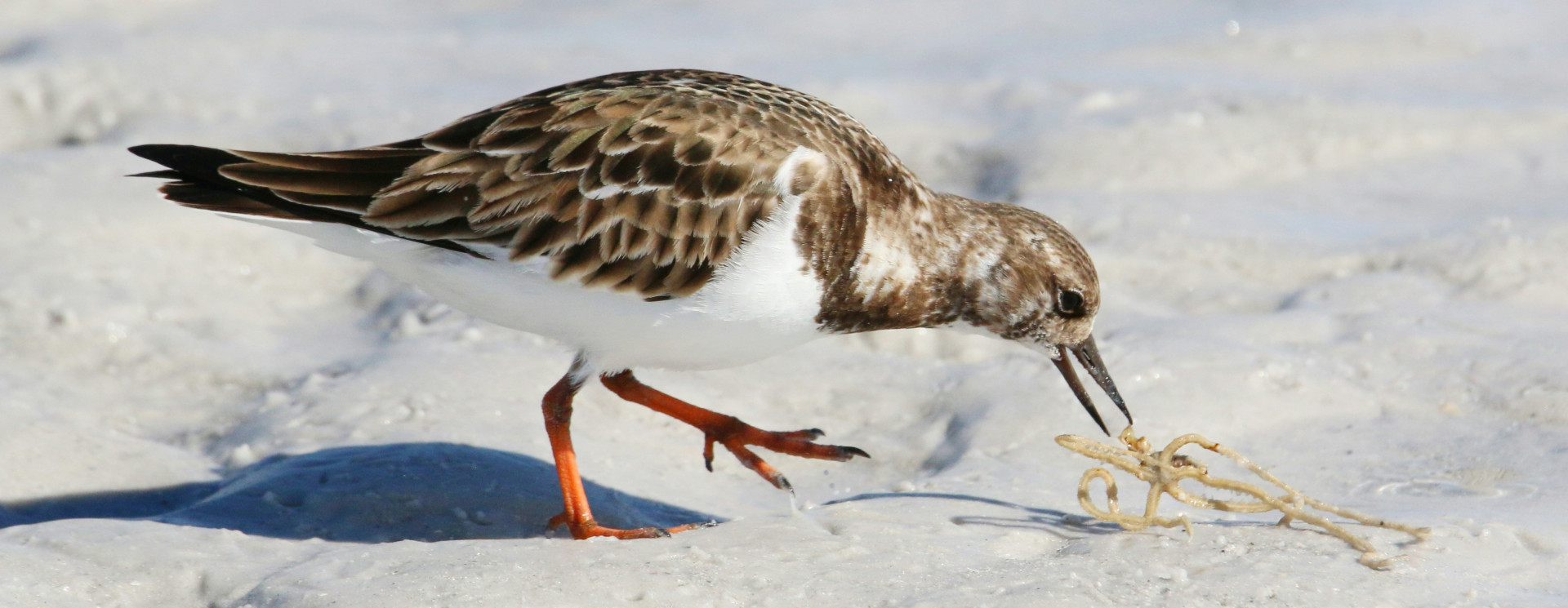
Ruddy turnstone, a small wader known for its habit of flipping small stones in search of food, is so abundant that it’s often invisible to the untrained eye. Interestingly, no two turnstones share the same plumage pattern.
Trumpeter finch is a declining steppe bird whose call resembles a trumpet. This pinkish, short-beaked bird survives in certain arid areas of southern Gran Canaria.
Some birds have inhabited the region for centuries; others, like Ruddy shelduck — a striking, distinctive gooselike duck, arrived recently, colonising new territories from the African continent, just a hundred kilometres away.
Best Times and Tips for Birdwatching in Gran Canaria
Grand Hotel Residencia shares the belief that protection begins with observation, and observing with care is the first step towards cherishing the environment. The hotel warmly invites its guests to explore the nearby biodiversity sanctuaries. Parque Tony Gallardo is open from Monday to Friday between 8:00 to 13:30. Early morning or just before sunset are usually the best times for birdwatching, and La Charca de Maspalomas is most magical at both dawn and dusk, when birdsong and dimmed sunlight create a dreamy atmosphere.
The peak migratory season falls between October and March, so those interested in birdwatching may want to plan their stay during those months. When exploring protected areas, always remember to be respectful, stick to designated paths and avoid disturbing wildlife. Bring binoculars, wear neutral colours and consider hiring a local guide who can make your visit much more interesting and informative.


