
Wolfgang Grobauer’s Canarian Larder: Sustainability and zero-mile products at Grand Hotel Residencia
Sep 02, 2024
Sustainability at the Heart of Wolfgang Grobauer’s Kitchen
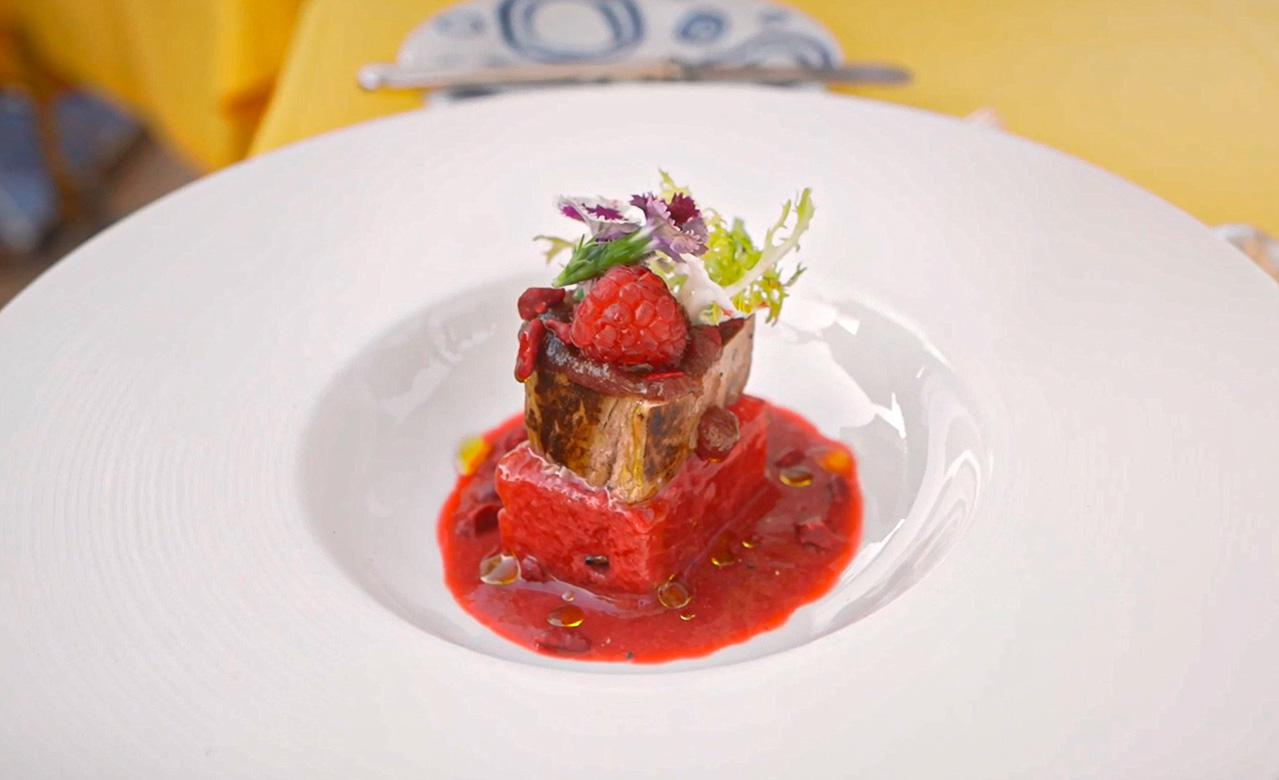
The restaurant terrace is sunk in golden light and joyful chatter, as the guests, glasses of crisp Listán Blanco in hands, watch the sun hide behind sleek palm trees. It’s time for the main course: red tuna from Mogán — a picturesque fishing village with whitewashed houses and colourful bougainvillaea, a twenty-minute drive from the hotel. The succulent fish is spiced with harissa — a piquant memory of the head chef’s stint at Villa Mandarin in Rabat, and served with luscious local fruit: sweet
watermelon and juicy raspberries, grown in the verdant north of Gran Canaria. The dish, one of all-time favourites at Grand Hotel Residencia, captures the essence of Wolfgang Grobauer’s cooking — fresh, light and inventive, but above all respectful of the seasonality of local ingredients.
Zero-Mile Principles: Supporting Local Suppliers and the Environment
Born in Switzerland and raised in Germany, when Wolfgang first landed in Gran Canaria, he was mesmerised with local fruit. Crossing narrow alleys of the Canarian markets, he inhaled the sweet scent of juicy mangoes and plump papayas, stopping to taste shapely green avocados and the famous plátanos: creamy Canarian bananas. Before taking the helm at Grand Hotel Residencia in 2011, Wolfgang had cooked in Paris, Nice and Rabat, and had been awarded Michelin star accolades several times, for his work at Landhaus Dill and Cöllns Austerstuben in Hamburg and U Santa Maria in Corsica.
“Gran Canarian mangoes are unique. Their taste is completely different to the ones coming from any other place in the world”.
With the head chef so passionate about Canarian ingredients, it’s unsurprising that Grand Hotel Residencia is sourcing produce with zero-mile principles in mind.
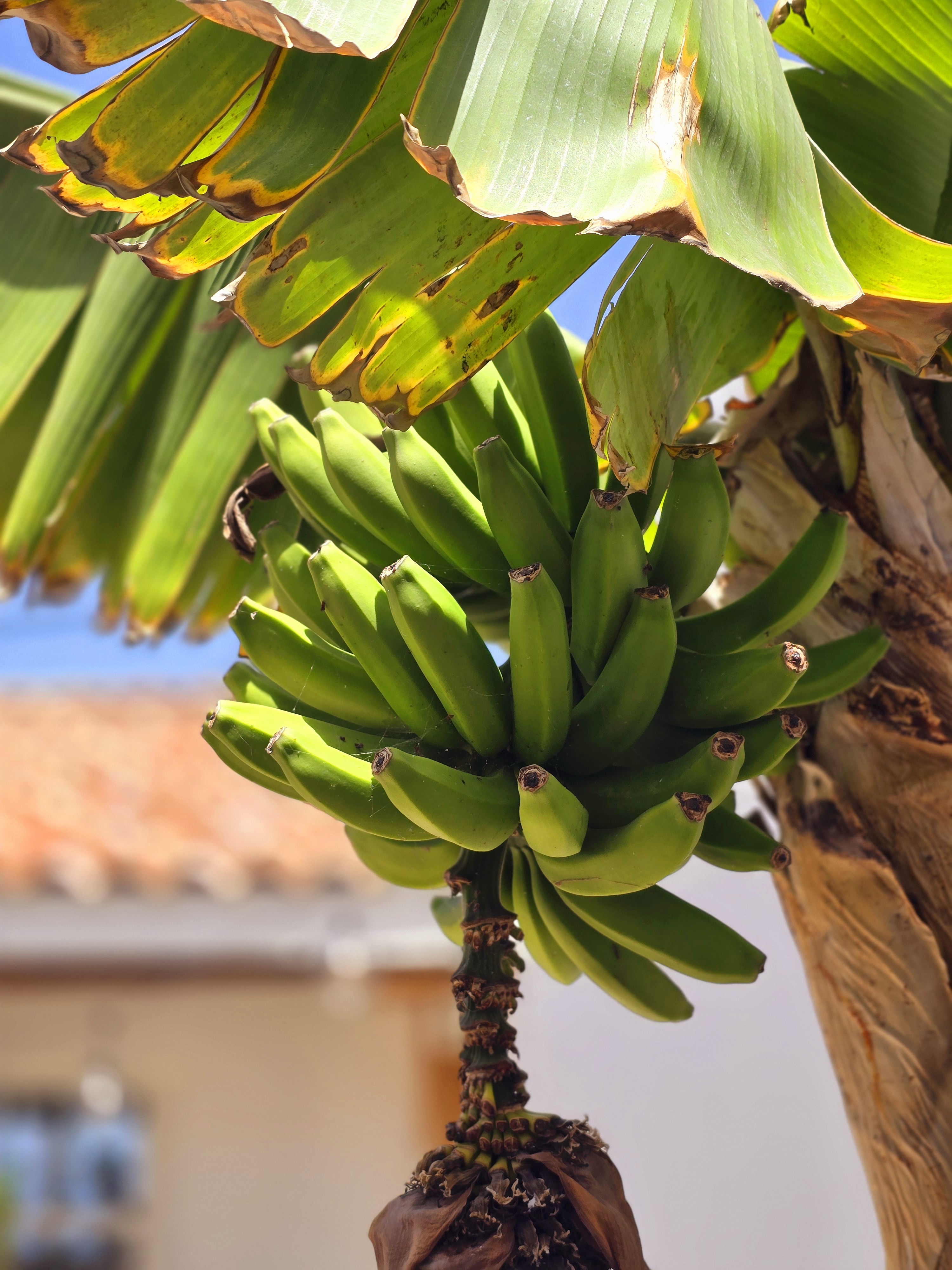
Wolfgang works with local suppliers whenever possible. Fresh fish and seafood is brought from the fishing ports of Mogán and Arguineguín, the latter just 12 kilometres away from the hotel. Most of the fruit, vegetables and herbs come from Finca Montaña la Data, a nearby farm that has been fueling Wolfgang’s cooking for over 10 years. Canarian strawberries grow in the volcanic soil of Valsequillo:
“Trust is key when it comes to suppliers. I have long-standing relationships with all of them, I know them personally”.
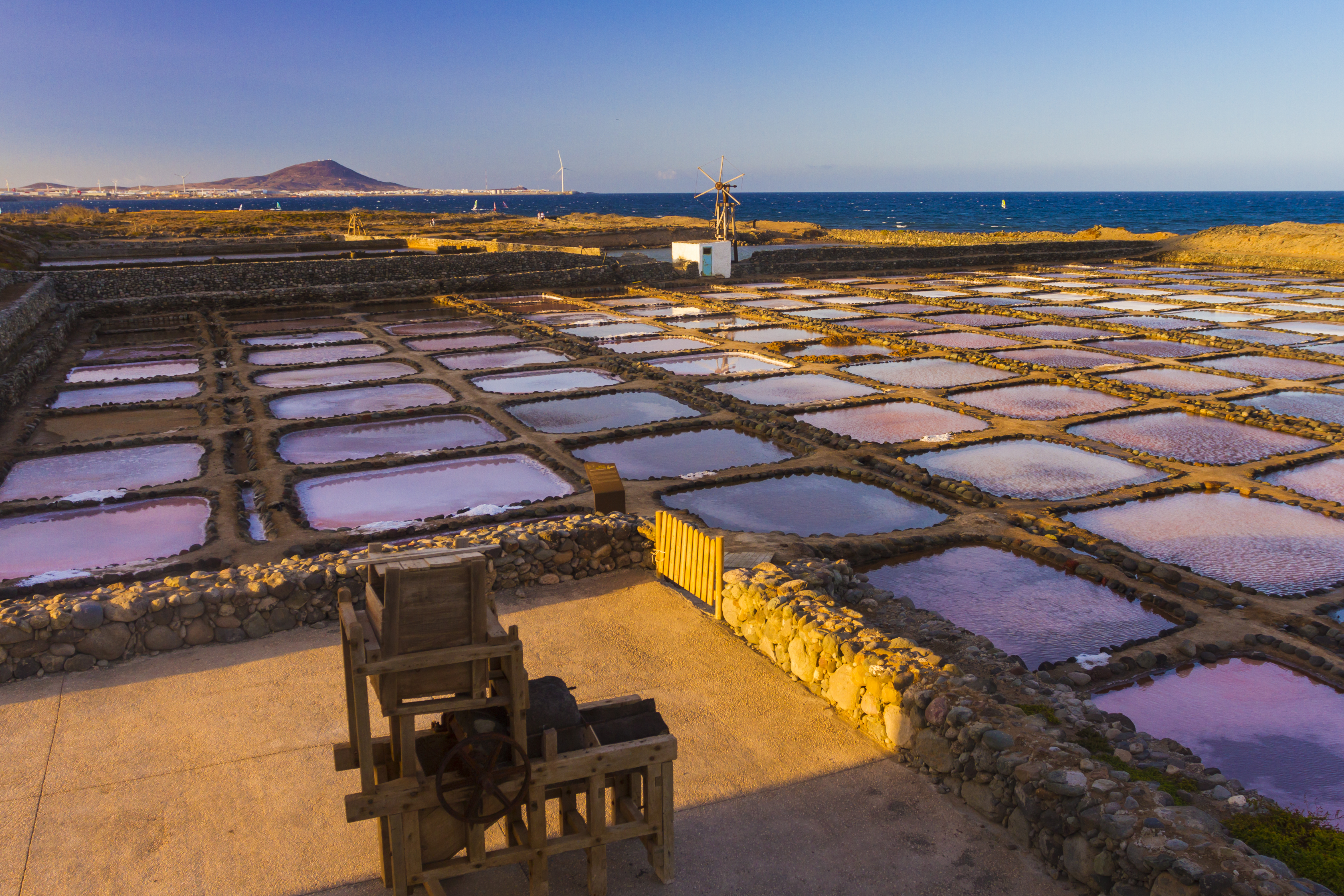
The list includes a beekeeper who provides jars of sweet, viscous honey, a farmer specialising in Canarian black pork and an artisan cheesemaker, creating creamy goat cheese loved by the guests. Even the salt is from the island: Wolfgang’s staff use solely Tenefé Salt from the salt pans in Pozo Izquierdo, more than 250 years old and located 25 kilometres away from the hotel. Hand-harvested and highly mineralised, Tenefé salt is perfect for the finishing touches and Wolfgang loves sprinkling his meat with their crunchy flor de sal.
“Local products are fresher and tastier. Our guests can notice the difference.”
Wolfgang believes that sourcing food locally elevates his cooking, but that’s hardly the only benefit. Supporting local suppliers boosts the Canarian economy, as well as minimising food waste: it allows for more frequent orders, planned for the expected number of guests. According to Wolfgang, sustainable practices and quality cooking go hand in hand
“We cook our dishes à la minute, because we want them to be served fresh, when they taste best. At the same time, this helps us fight food waste: we don’t prepare things in advance, so they don’t go to waste.”
Seasonal menu changes allow Wolfgang to serve local products at their very best, adapting to their availability. Wolfgang strives to use all parts of the produce, saving kitchen scraps for stocks and flavouring dishes with citrus peel. Where waste is unavoidable, he makes sure that things like used cooking oil are collected by a specialised company and recycled properly. And he tries to pass his passion for sustainability on to his staff:
“The kitchen team is a great family. Educating my team and keeping everyone motivated is an important mission.”
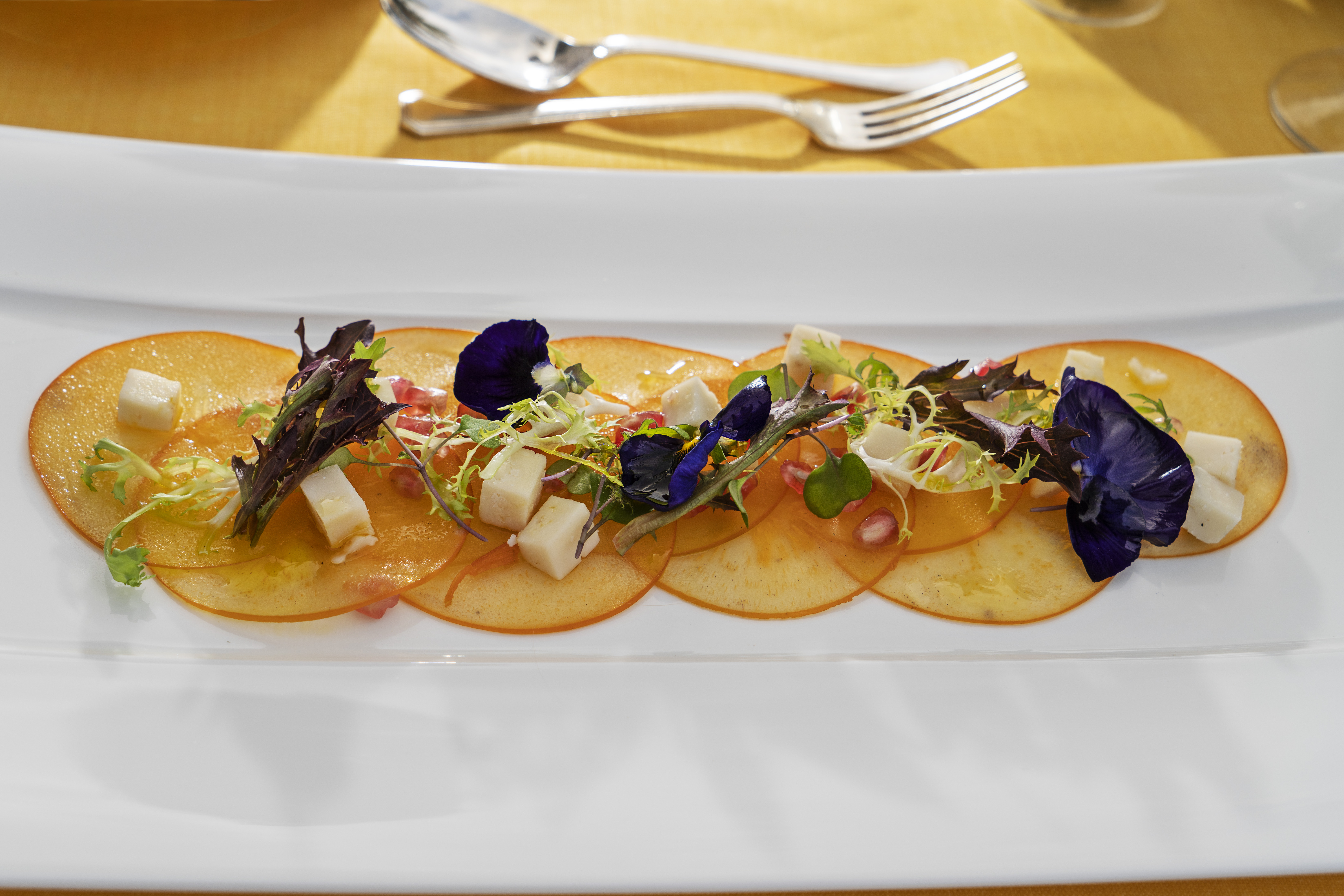
Wolfgang Grobauer’s Leadership in Sustainability: Upholding Seaside Hotels’ Vision for Responsible Tourism in Gran Canaria.
With Wolfgang Grobauer at the helm, the restaurant at Grand Hotel Residencia has sustainability at its core, very much in line with Seaside Hotel’s broader vision. The company dates back to 1970 when the founder, Theo Gerlach, had first visited Gran Canaria in the early years of the island’s tourism boom. He has always believed that tourism can be a force for good and has aimed to craft experiences that celebrate the island’s culture, as well as supporting economic prosperity and assuring sustainable growth. Located near the magnificent sandy slopes and the ancient palm grove of the Maspalomas Dunes Nature Reserve, Grand Hotel Residencia is committed to protecting Gran Canaria’s biodiversity and natural beauty.
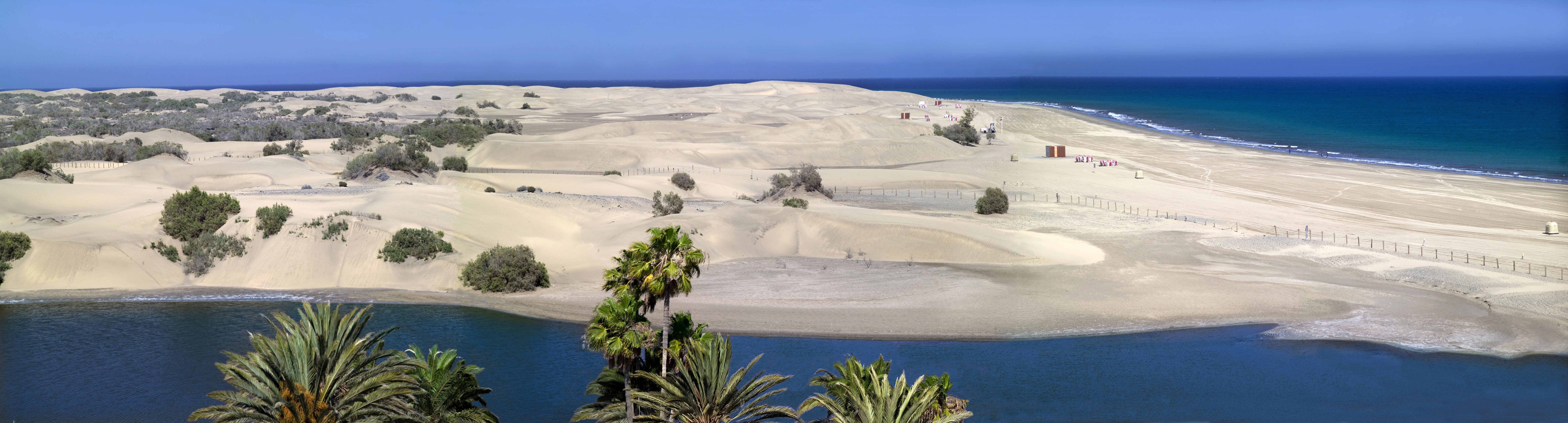
From planting gardens with endemic, drought-adapted plants that require little watering to the use of heat recovery systems, Seaside Hotels are introducing new solutions and reducing their energy consumption, water use and greenhouse gas emissions year after year.
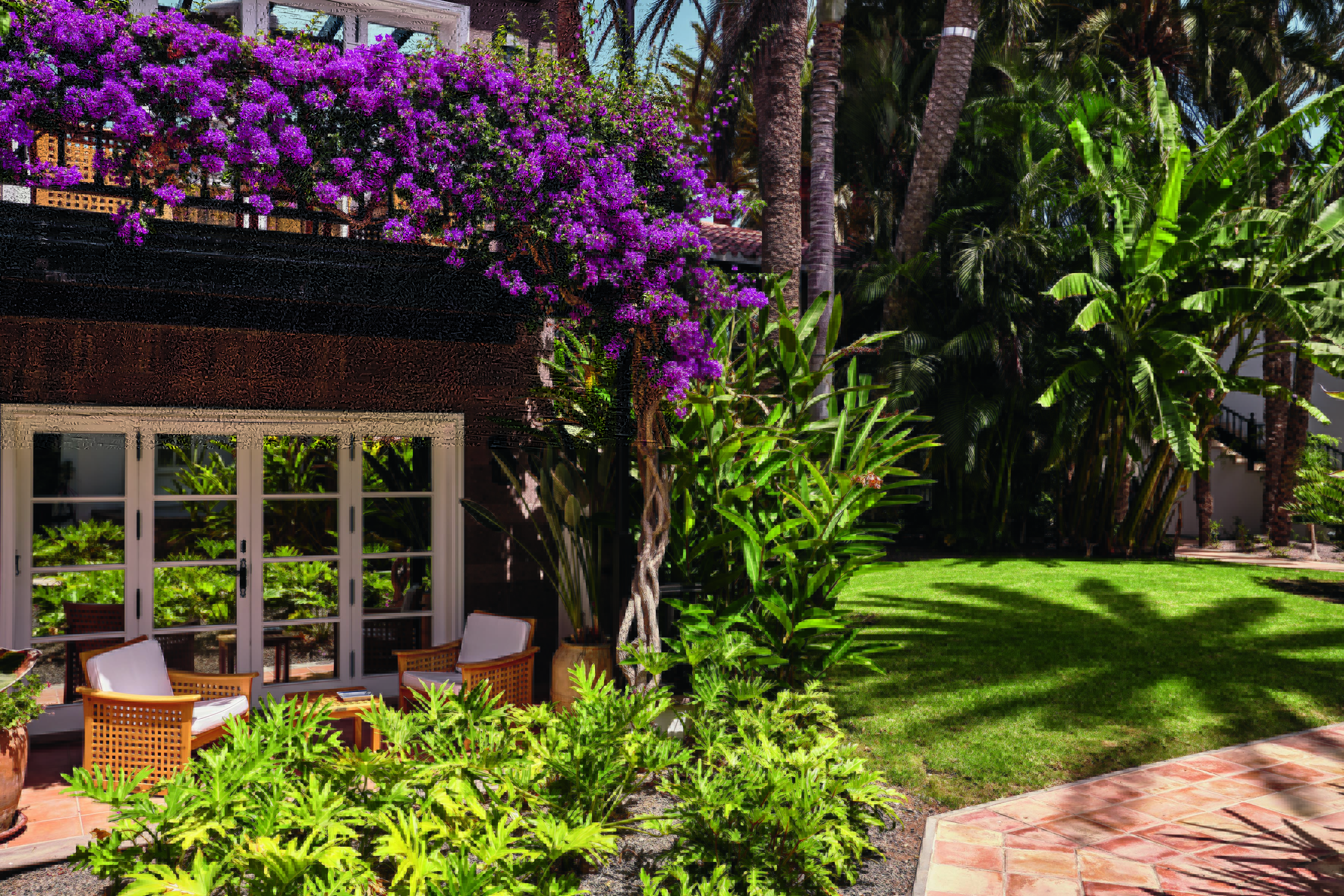
The guests of Grand Hotel Residencia are encouraged to explore the island by learning about the aboriginal Guanche culture, visiting vineyards on the Ruta del Vino or walking the cobbled streets of the historic Vegueta. Tasting food prepared from local ingredients and sampling Canarian wine make an important part of the experience.
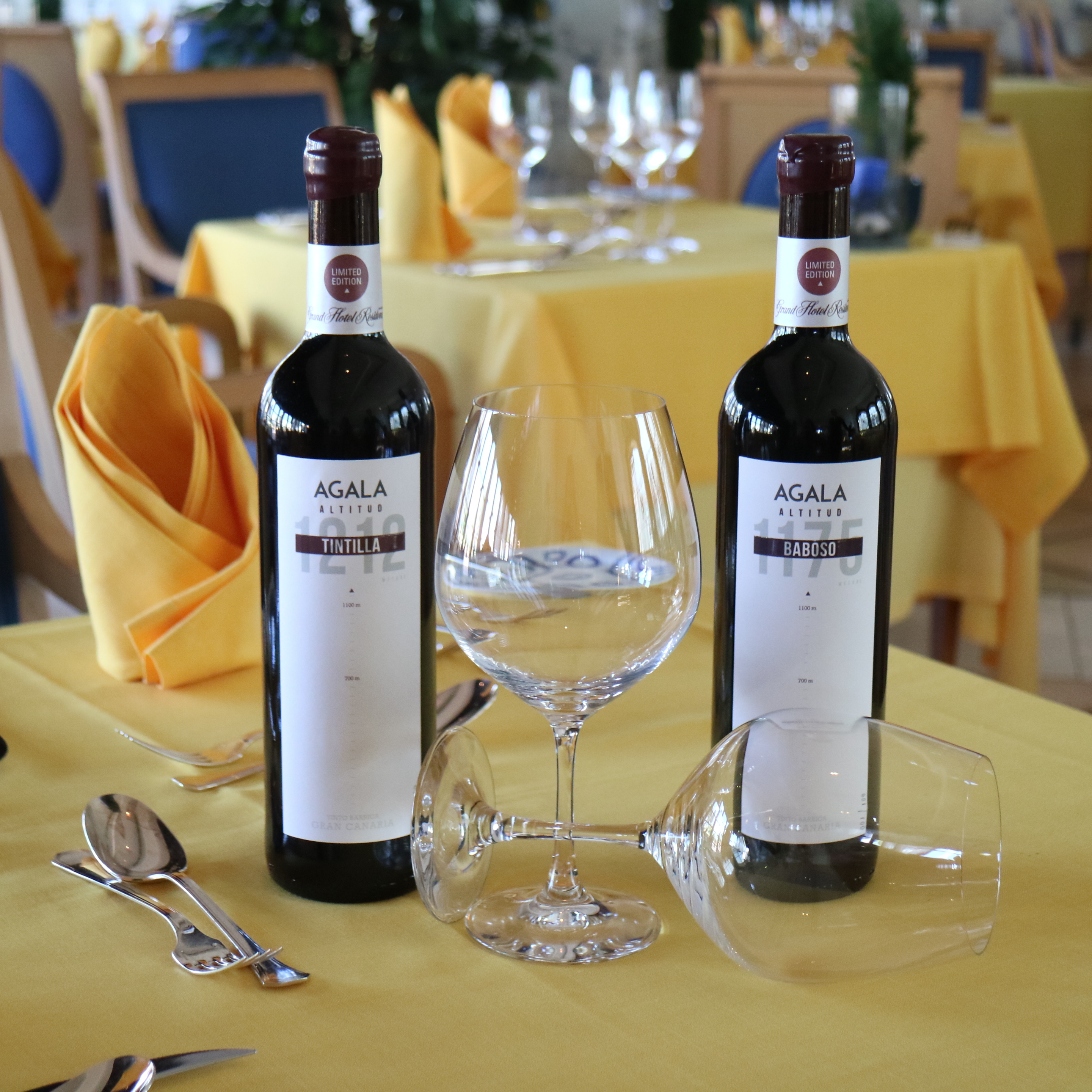
A large part of the fresh produce at Seaside Hotels is sourced in the Canary Islands, and Canarian wines are recommended to Grand Hotel Residencia’s guests. Some hold the Gran Canarian DO (denominación de origen: established in 2005, it requires winemakers to use native grape varieties, like Negramoll or Listán Blanco. Wolfgang Grobauer thinks that this strategy is paying off:
“I’ve noticed that our guests started asking for dishes to be served without any sauces, so that they can really taste the product.”


